MindGlow Home

Category

Neuroscience & Mindfulness

25 articles

You're Doing Everything Right. So Why Does It Still Feel Wrong?

You're Doing Everything Right. So Why Does It Still Feel Wrong?

You've got the morning routine, the sleep tracker, the meditation streak. You're checking every box — and yet something feels hollow. The uncomfortable truth is that optimizing your life perfectly might be exactly what's keeping you from actually living it.

Your Anxiety Isn't a Malfunction — It's Running on Old Software

Your Anxiety Isn't a Malfunction — It's Running on Old Software

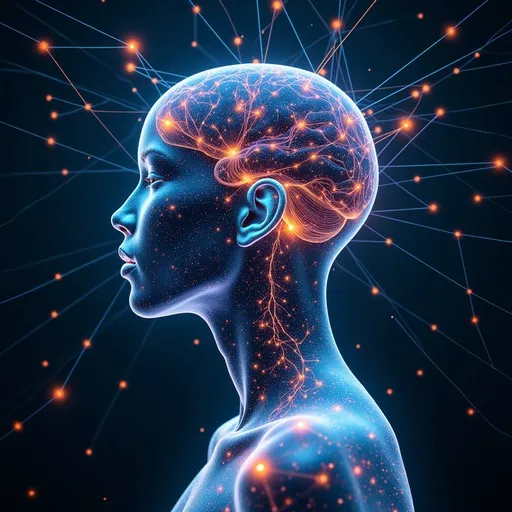
That tight chest before a work presentation? The 3 AM spiral about a text you sent? Your brain isn't broken — it's just using ancient threat-detection hardware to process a world it was never built for. Here's how to update the system without wiping it clean.

After the Bell Rings: The Hidden Window When Your Brain Does Its Best Work

After the Bell Rings: The Hidden Window When Your Brain Does Its Best Work

You close your meditation app, take a breath, and reach for your phone — and that's exactly when you're throwing away the most valuable minutes of your entire practice. Science suggests the 10-15 minutes after formal meditation may be when your brain is most primed for genuine insight, creative breakthroughs, and mental clarity. Here's what's actually happening in your head during that quiet in-between space.

Why Your Brain Gets Stuck on the Same Thought — And How to Actually Unstick It

Why Your Brain Gets Stuck on the Same Thought — And How to Actually Unstick It

Recurring negative thoughts aren't a character flaw or a meditation failure — they're a neurological habit your brain has literally wired itself to repeat. But emerging research on cognitive flexibility suggests that the traditional advice to 'observe your thoughts without judgment' is only part of the solution, and for many people, it's not enough on its own.

Stop Blaming Your Brain for Getting Distracted — It Might Actually Be Getting Smarter

Stop Blaming Your Brain for Getting Distracted — It Might Actually Be Getting Smarter

The story we keep telling ourselves is that modern life has shattered our ability to focus, turning us into attention-deficit casualties of the smartphone era. But what if that narrative is wrong? What if your fragmented, easily-diverted brain is actually doing something pretty sophisticated — and the real problem is that nobody's taught you how to use it.

That Nagging Voice Saying You're Not Good Enough? It Might Be Your Secret Weapon

That Nagging Voice Saying You're Not Good Enough? It Might Be Your Secret Weapon

Most high-achievers treat imposter syndrome like a bug to be fixed — but neuroscience suggests it might actually be a feature worth keeping. The self-doubt that makes you feel like a fraud could be the same force quietly fueling your best work. Here's how to tell the difference between the kind that holds you back and the kind that quietly pushes you forward.

The More You Look Inward, the More Lost You Feel: The Dark Side of Self-Awareness

The More You Look Inward, the More Lost You Feel: The Dark Side of Self-Awareness

Self-awareness is supposed to be the golden ticket to a better life — but for a lot of people, the deeper they dig, the more unsettled they feel. Turns out, there's a neuroscience-backed reason why knowing yourself better can sometimes crank up anxiety instead of quieting it. Here's what's actually going on inside your brain, and how to reflect without unraveling.

Why the Most Effective People You Know Are Quietly Riddled with Doubt

Why the Most Effective People You Know Are Quietly Riddled with Doubt

The wellness world has been selling you a story about confidence that doesn't hold up under scrutiny. Emerging research suggests that moderate self-doubt isn't a weakness to overcome — it's actually one of the sharpest cognitive tools you own. Here's what science says about why uncertainty might be your secret advantage.

Drowning in Advice: How Too Much Wellness Information Is Making You Worse at Decisions

Drowning in Advice: How Too Much Wellness Information Is Making You Worse at Decisions

We live in the golden age of self-improvement content — and somehow, most of us feel more confused than ever. The uncomfortable truth is that your brain wasn't built to process this much input, and the avalanche of wellness advice may actually be working against you. Here's what the science says, and how to find your way back to clarity.

When Doubt Is a Feature, Not a Bug: The Hidden Cognitive Power of Not Being Sure

When Doubt Is a Feature, Not a Bug: The Hidden Cognitive Power of Not Being Sure

The self-help world has spent decades selling you unwavering confidence as the ultimate success hack — but neuroscience is quietly telling a very different story. Moderate self-doubt, it turns out, isn't a weakness to overcome; it's a cognitive tool your sharpest decisions actually depend on. Here's why learning to sit with uncertainty might be the most underrated upgrade you can give your brain.

The Success Trap: How Climbing Higher Can Leave You Lonelier Than You Ever Expected

The Success Trap: How Climbing Higher Can Leave You Lonelier Than You Ever Expected

The harder you chase success, the more you risk losing the people who matter most — and your brain is partly to blame. Understanding the neuroscience behind ambition-driven isolation is the first step toward building a life where your goals and your relationships actually coexist. Here's what's really happening inside your head, and how to stop the drift before it becomes permanent.

You Worked So Hard to Get Here. So Why Does 'Here' Feel So Empty?

You Worked So Hard to Get Here. So Why Does 'Here' Feel So Empty?

You hit the goal. You popped the champagne. And then — nothing. That hollow, now-what feeling after a major win isn't a character flaw; it's your brain chemistry doing exactly what it was designed to do. Here's how to stop riding the dopamine roller coaster and start building joy that actually lasts.

Your Brain on a Day Off: The Science That Makes Rest Non-Negotiable

Your Brain on a Day Off: The Science That Makes Rest Non-Negotiable

Hustle culture sold us on the idea that downtime is wasted time — but neuroscience tells a completely different story. Your brain doesn't power down when you step away from your to-do list; it actually kicks into some of its most important work. Here's why scheduling genuine rest days might be the smartest productivity move you haven't been making.

Why Your Shower Outsmarts Your To-Do List Every Single Time

Why Your Shower Outsmarts Your To-Do List Every Single Time

That million-dollar idea you had while shampooing your hair wasn't a coincidence — your brain was doing its best work precisely because you stopped trying. Here's the neuroscience behind those unexpected flashes of brilliance, and how to deliberately make space for more of them.

Every Time You Switch Tasks, Your Brain Pays a Hidden Tax

That nagging feeling when you jump between emails, Slack messages, and actual work? It's not just distraction — it's your brain quietly hemorrhaging cognitive fuel. Understanding the neuroscience of attention residue might be the single most important thing you do for your mental performance this year.

Why Your Brain Keeps Score Against Everyone Else — And How to Stop It

Your brain has a built-in ranking system that was never designed for Instagram. Here's what neuroscience says about social comparison addiction, why algorithmic feeds make it so much worse, and how to quietly rewire your internal success meter before it burns you out.

Always Plugged In, Always Worn Out: The Hidden Mental Cost of Being Too Connected

You've got a full calendar, an active group chat, and a LinkedIn profile that's basically a highlight reel — so why does your brain feel like it's running on fumes? The answer might surprise you: it's not your workload that's draining you, it's your connections. Here's what neuroscience says about social cognitive load, and why intentional solitude might be the mental reset you've been ignoring.